Are aliens real?
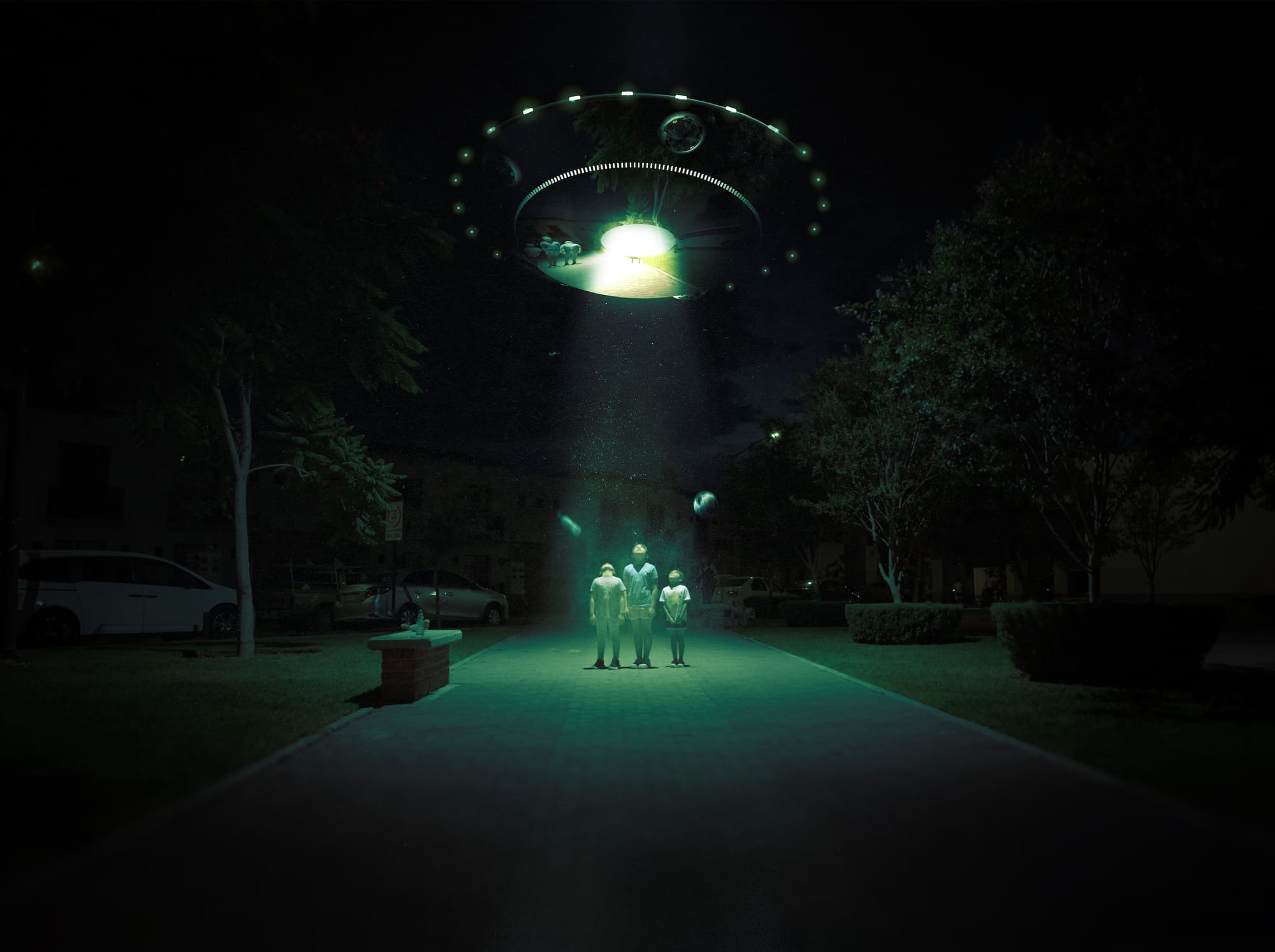
Are Aliens Real? Exploring the Evidence and Scientific Search
Have you ever stared at the night sky and wondered if we're alone? That question has haunted humans for ages. It pulls at our curiosity about what's out there beyond Earth.When we talk about aliens, we mean life from other worlds. This could be smart beings sending signals or tiny microbes in distant oceans. Or even simple bacteria on a rocky planet far away. The search mixes hope with hard science. We chase clues about extraterrestrial life through telescopes and probes.Think about the universe's size. It holds billions of galaxies. Each one packs trillions of stars. Many stars hug planets that might hold life. This vast setup makes the question of are aliens real feel urgent. It pushes us to explore both belief and facts.
The Scientific Foundation for Alien Life
Science gives us tools to guess if alien life exists. We look at math, planets, and life's tough side on Earth. These build a strong case for possibilities.
The Drake Equation and Probabilities
The Drake Equation helps us estimate intelligent life in our galaxy. Frank Drake made it in 1961. It multiplies factors like stars born each year and planets that could support life.One big unknown is how many stars have planets. We don't know the fraction where life starts. Or how often it turns smart enough to chat with us. Still, with billions of stars in the Milky Way, even slim odds point to many worlds.Missions like Kepler changed our view. They found over 5,000 exoplanets. About 50 lie in zones where life might thrive. NASA's data shows one in five stars like our sun has an Earth-sized planet nearby. These numbers fuel the debate on are aliens real.
The Goldilocks Zone and Habitable Worlds
The Goldilocks Zone sits where it's not too hot or cold. Liquid water can flow there, key for life as we know it. Planets in this spot get just the right sun warmth.Take Proxima Centauri b. It's our closest star neighbor's world. At just four light-years away, it orbits in the habitable zone. Or the TRAPPIST-1 system. Seven Earth-like planets circle a cool star. Three sit sweet for water.But habitability goes deeper. We need stable atmospheres and protection from radiation. Magnetic fields help too, like Earth's shield. These spots show the universe teems with candidates for alien life.
Extremophiles: Life's Tenacity on Earth
Life on Earth surprises us. Extremophiles prove it. These tough bugs live in spots we once called dead.Deep-sea vents spew hot, toxic water. Yet tube worms and bacteria thrive there. No sun, just chemicals for energy. In Antarctica, lakes under ice hide microbes. They endure cold and dark for millions of years.Radiation in space? Some bacteria shrug it off. Chernobyl's fungi eat radiation like food. This tells us life adapts. Alien worlds with harsh vibes might host similar survivors. It widens our hunt for extraterrestrial life.
Searching for Signals: SETI and Technosignatures
We scan space for alien signs. SETI leads this effort. It hunts tech from smart beings. But so far, quiet.
Passive Listening: The Radio Silence Problem
SETI started in the 1960s. They point radio dishes at stars. Listening for patterns that scream "not natural."The Allen Telescope Array in California scans wide. Breakthrough Listen, backed by billionaires, checks a million stars. They target the Water Hole. It's a quiet radio band between hydrogen and water signals. Why? Aliens might pick it too, easy for chats.Yet we hear nothing. No beeps or codes. This silence puzzles experts. Maybe aliens use lasers, not radio. Or they're too far. The search for are aliens real keeps going, ears wide open.
The Fermi Paradox: Where Is Everybody?
Enrico Fermi asked it in 1950. If the galaxy's old and big, where's the alien buzz? Billions of years should mean contact by now.One fix is the Great Filter. It says civilizations hit a wall. Like nukes or climate doom wiping them out. We might be early birds, or the filter lies ahead.Distance hurts too. Light speed limits travel. Time stretches across voids. Self-destruction fits sad stories. Wars or bugs could end tech societies fast. These ideas explain the empty sky in our quest for extraterrestrial intelligence.
Analyzing Potential Technosignatures
Technosignatures mark alien tech. Not just radio waves. Think big structures or odd pollution.Dyson Spheres wrap stars for energy. Infrared heat might glow from them. We scan for that waste heat. Or look for city lights on planets. Non-natural gases like CFCs in atmospheres could signal industry.Biosignatures mix in, like oxygen from plants. But tech signs stand out. Telescopes hunt these clues. They boost the case that are aliens real, if we spot one.
Unidentified Aerial Phenomena (UAPs) and Official Investigations
UAPs grab headlines. Once called UFOs, they now get serious looks. Governments admit odd skies. Is it aliens?
Declassification and Government Acknowledgment
In 2020, the Pentagon released videos. Pilots chased tic-tac shapes. No wings, wild speeds. The 2021 ODNI report reviewed 144 cases. Most unexplained. One in five showed acceleration beyond known tech.By 2025, hearings continue. Congress pushes for more data. NASA joined in, forming a UAP team. This shift from jokes to probes marks change. Official eyes on are aliens real.
Credible Sightings and Physical Evidence
Trained folks report the best cases. Navy pilots in 2004 saw a diamond craft. Radar locked it. It zipped 60 miles in seconds. No exhaust, no sound.The 2015 Gimbal video shows rotation in flight. Physics says crafts can't do that without breaking. Corroborated by multiple sensors. These beat wild tales. They demand study in the search for extraterrestrial life.
Scientific Skepticism vs. Open Inquiry
Science needs proof. Repeatable tests, hard data. UAPs often lack that. Drones, balloons, or glitches explain many.But some defy easy fits. We test sensors for errors. Pilots aren't fooled easy. Keep an open mind. Demand evidence. This balance drives real inquiry into alien visitors.
Potential Biosignatures and Future Exploration
We hunt life signs close and far. Solar system probes lead. Telescopes peek at distant worlds. Excitement builds.
Missions to Mars and Icy Moons
Mars gets Perseverance. It drills for old life traces. Organic bits in rocks hint at past microbes. Sample return comes soon.Europa's ocean hides under ice. Europa Clipper launches in 2024. It scans for salts and plumes. Enceladus spews water jets. Cassini tasted organics there. These spots could hold alien bugs now.Drills and sniffers target methane. Life's fingerprint. Our backyard search for are aliens real heats up.
Atmospheric Analysis of Exoplanets
JWST peers deep. It catches light through exoplanet air. Breaks it into rainbow codes. Looks for oxygen with methane. Dead giveaway for biology.Venus stirred buzz in 2020. Phosphine gas detected. Life makes it on Earth. Debate rages—volcanoes? Or bugs in clouds? JWST checks more worlds. Like K2-18b, with water vapor hints.These reads push biosignature hunts. They test if extraterrestrial life breathes out there.
Preparing for Contact
What if we hear back? METI debates sending our signals. SETI just listens. Risks include bad reactions.Protocols plan first contact. Share data slow. Ethics weigh peace. Philosophers ponder impacts. Unity or fear? We prep minds for the big if.
Conclusion: Embracing the Possibility
The hunt for alien life mixes math, missions, and mysteries. We map billions of worlds. Extremophiles show life's grit. SETI listens hard, but the Fermi question lingers. UAP reports add spice, yet proof hides. Biosignatures tease from afar.Key points stand out. The Drake Equation odds favor life. Habitable zones abound. Tech like JWST sharpens views. No hard yes, but the no weakens daily.This isn't about green men in saucers. It's life's reach across stars. Chemistry and physics test limits. We adapt, so might others. Stay curious. Watch the skies. What do you think— are aliens real? Share your thoughts below, and keep exploring with us.