Earth’s Magnetic Field and Its Importance
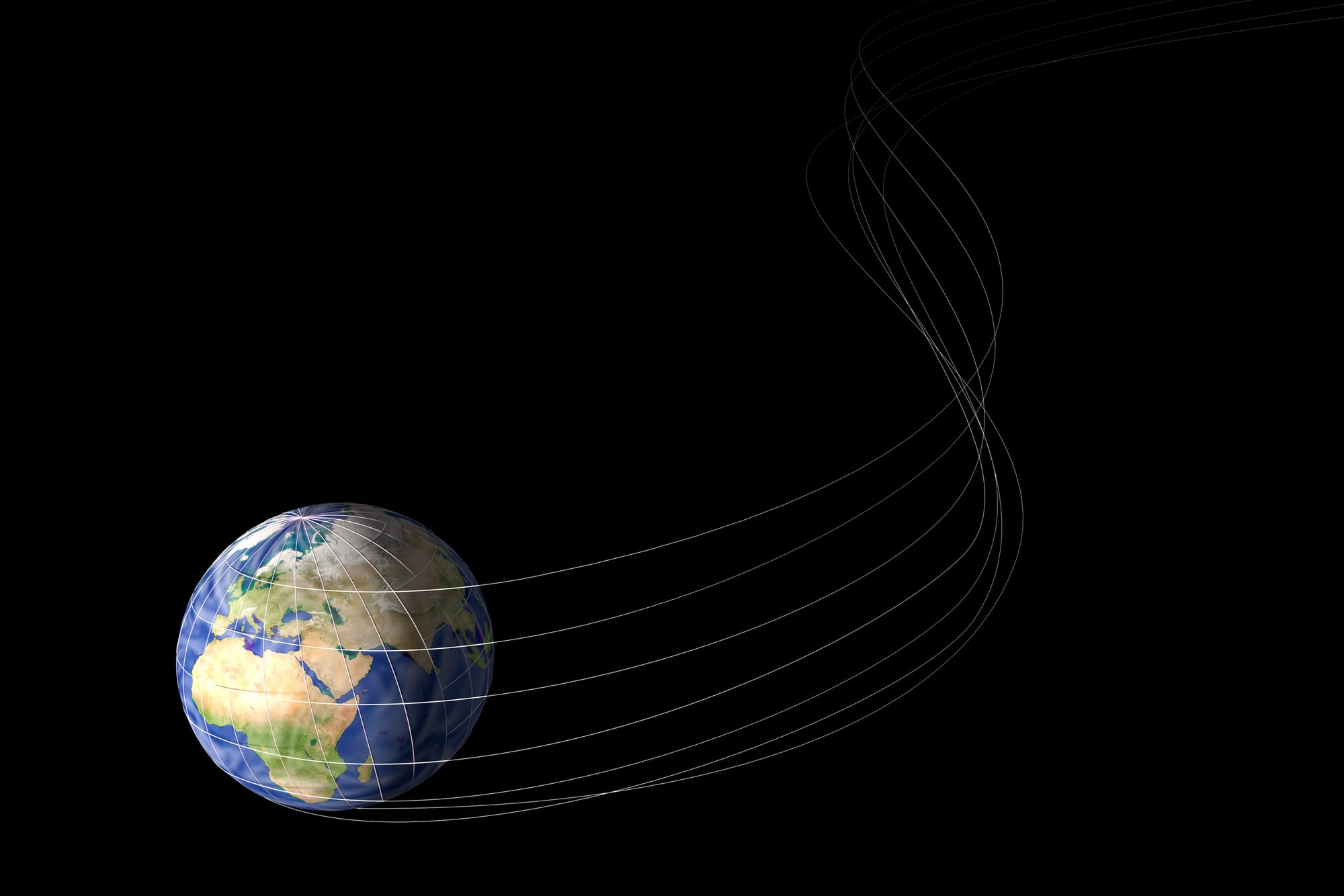
Have you ever wondered what keeps harmful space radiation from frying life on our planet? Earth’s magnetic field acts as an unseen shield. This geomagnetic field springs from deep inside the Earth, in its molten core. It wraps our world in protection. Without it, life as we know it might not exist.
Section 1: Anatomy and Origin of the Geomagnetic Field
The Geodynamo: How the Field is Generated
Deep in Earth’s outer core, molten iron swirls around. This motion creates the geodynamo process. Heat from the inner core drives convection currents in the liquid metal. As the Earth spins, the Coriolis effect twists these flows. That twist generates electric currents. Those currents produce the magnetic field we rely on. Scientists use computer models to track this complex dance. The outer core’s iron-rich mix makes it all possible.
The Earth’s Magnetic Dipole Structure
Picture a huge bar magnet at Earth’s center. That’s the dipole structure of the geomagnetic field. It has a magnetic north pole and south pole. These differ from the geographic poles, which mark true north and south. The field lines curve from one pole to the other. Strength varies, but it measures about 25 to 65 microteslas at the surface. Compasses point to the magnetic north pole, not the spin axis. This setup guides birds and ships alike.
Magnetic Field Fluctuations and Secular Variation
The geomagnetic field isn’t fixed. It shifts slowly over time, a process called secular variation. Intensity can drop or rise by a few percent each year. Direction changes too, as poles wander. Geological surveys track this with ground stations and satellites. Data from the past century shows clear patterns. These tweaks help update maps for pilots and hikers. Without monitoring, navigation could go wrong.
Section 2: The Magnetosphere: Earth’s Protective Bubble
Deflecting the Solar Wind
The Sun blasts out a stream of charged particles called solar wind. It races toward Earth at over a million miles per hour. Our magnetosphere steps in as the first line of defense. This bubble forms from the geomagnetic field stretching out into space. At the bow shock, the wind slows down. Then, the magnetopause marks where the field pushes back. This interaction keeps most particles at bay. Without it, solar wind would strip away our air over time.
Van Allen Radiation Belts: Trapping Energetic Particles
Two doughnut-shaped belts encircle Earth, known as the Van Allen belts. They trap high-energy protons and electrons from solar wind and cosmic sources. The inner belt holds particles with energies up to 10 million electron volts. The outer one reaches even higher. These belts act like a net, keeping radiation from hitting the ground. Satellites orbit through them, so engineers design shields. James Van Allen discovered them in 1958 with early space probes. They show how the field sorts danger.
The Aurora Phenomenon: A Visible Consequence
Lights dance in the sky near the poles— that’s the aurora. Solar particles slip past the magnetosphere during storms. The field funnels them to the poles. There, they smash into oxygen and nitrogen atoms. Green and red glows light up the night. In Iceland, viewers flock to see the northern lights. This show proves the geomagnetic field at work. It’s beauty born from protection.
Section 3: Critical Roles of the Magnetic Field for Life on Earth
Shielding Against Cosmic Rays and High-Energy Particles
Cosmic rays zip through space from exploding stars. They pack enough punch to harm DNA. Earth’s magnetic field bends their paths away. Solar particles meet the same fate most days. This shield cuts radiation doses by 90% at sea level. Without it, cancer rates would soar. Early life forms likely needed this guard to thrive. Astronauts outside the field face real risks on spacewalks.
Enabling Modern Technology and Navigation
Compasses have guided explorers for centuries. They align with the geomagnetic field’s lines. Today, GPS tweaks for magnetic drift keep ships on course. Satellites beam signals, but storms disrupt them. Power lines hum with induced currents during flares. In 1989, a solar storm blacked out Quebec for hours. Communication towers glitch too. The field lets tech run smooth, but we must watch space weather.
Atmospheric Retention and Climate Stability
Solar wind could peel away gases like oxygen. The magnetosphere blocks that erosion. Earth holds its blanket of air, unlike Mars. That red planet lost most atmosphere after its field faded billions of years ago. Our stable air means steady weather and liquid water. Life depends on this balance. The field ties into climate by shielding ozone from rays. It’s a quiet helper for our blue world.
Section 4: Threats to the Geomagnetic Shield
The North Magnetic Pole Shift and Wandering
The magnetic north pole drifts fast these days. It heads toward Siberia at 25 miles per year. This speed picked up in the 1990s. Scientists link it to core flows changing. The World Magnetic Model updates every five years for accuracy. Phones and planes use it to adjust. Without tweaks, compasses mislead. It’s nature’s way, but we track it close.
Geomagnetic Reversals: A Deep Geologic History
Earth’s field has flipped many times. Rocks hold clues in paleomagnetism—iron bits frozen in place. The last reversal happened 780,000 years ago. These events span thousands of years, not overnight. Geophysicists like John Jacobs study old lava flows. No mass extinctions tie to flips. The field weakens first, then rebuilds backward. We’re not due soon, but history warns of change.
Weakening Field Intensity and Space Weather Risk
The geomagnetic field has lost 10% strength since the 1800s. It dips more over the South Atlantic. This trend worries experts during solar peaks. Storms let more rays through, zapping tech. Planes reroute over poles to dodge radiation. Grids face blackouts from surges. In a weak field, auroras spread south. We prep for worse hits from space.
Section 5: Protecting Our Infrastructure from Space Weather
Monitoring and Forecasting Geomagnetic Storms
Agencies watch the Sun round the clock. NOAA’s Space Weather Prediction Center spots flares early. Coronal mass ejections hurl billions of tons of plasma our way. Alerts go out 20 to 60 minutes ahead. Satellites like SOHO feed data streams. Forecasts predict storm strength on a scale from G1 to G5. This heads-off power failures and satellite woes. Early word saves billions in damage.
Actionable Steps for Technological Resilience
Grid operators ground lines to bleed off extra charge. Transformers get surge protectors. Satellites switch to safe modes during alerts. Operators dim power in spots to ease stress. For airlines, flights avoid polar routes in bad weather. Backup systems kick in for comms. These steps build tough nets against space hits. Simple prep turns threats into bumps.
Conclusion: Preserving Our Planetary Defense
Earth’s magnetic field guards life and tech in ways we often forget. It deflects solar wind, traps rays, and steadies our air. From auroras to compasses, its touch shows everywhere. Changes like pole shifts remind us it’s alive. Yet, monitoring keeps us safe. Science pushes forward to unlock more secrets. Let’s value this shield—it holds our world together. Stay curious about space weather; it affects us all.