Habitable Zones: Where Life Could Exist
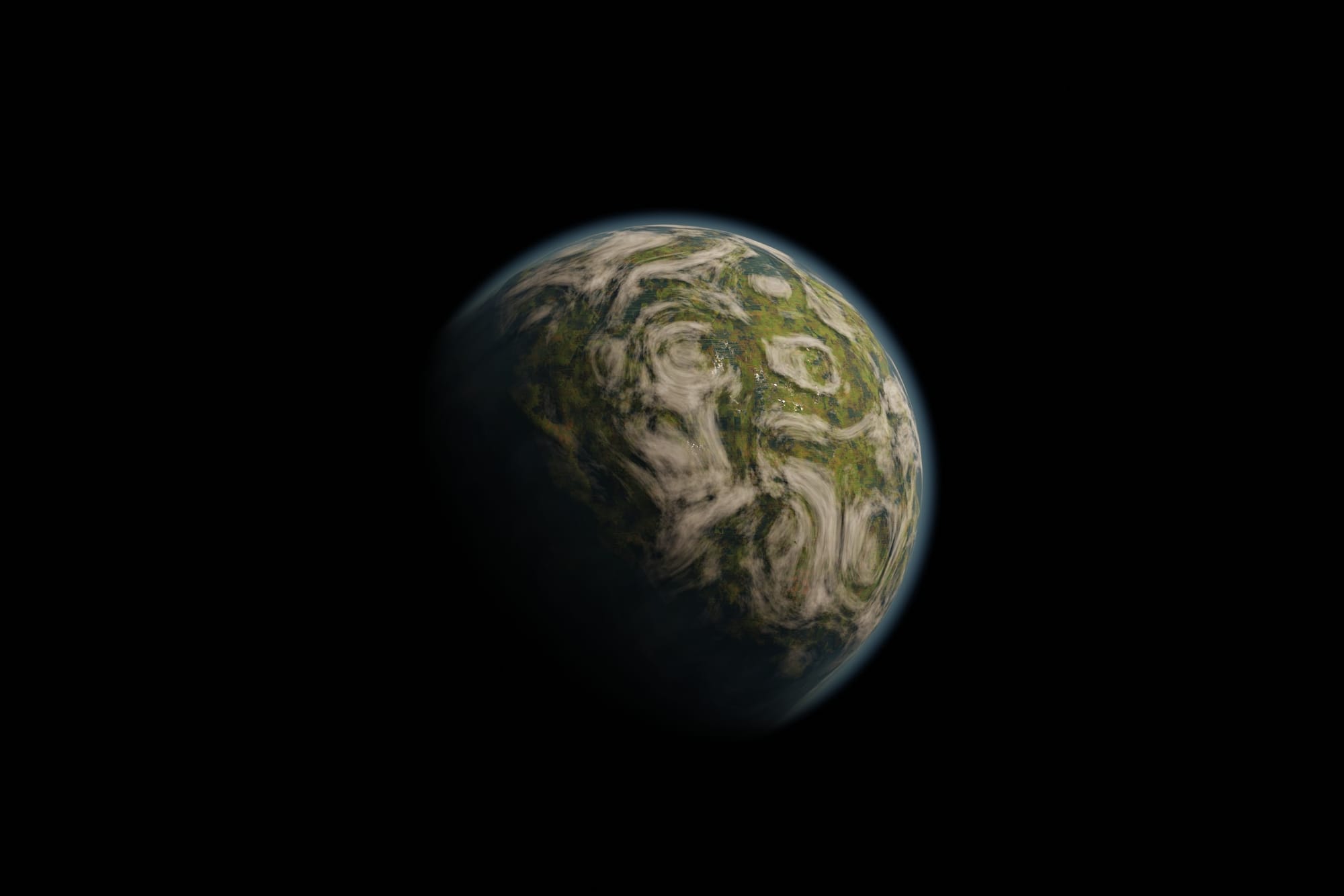
Imagine hunting for a second home in space, a place just right for life like Earth. That's the habitable zone, or HZ for short. It's the sweet spot around a star where a planet might hold liquid water on its surface. We know water is key for life as we understand it—think cells, oceans, and all that jazz.But hold on. The HZ isn't just about distance from the star. It involves tricky stuff like atmospheres, star types, and even galaxy spots. We'll dig into how scientists map these zones and what they mean for finding alien life.
The Classic Definition: Circumstellar Habitable Zones (CHZ)
The circumstellar habitable zone builds on basic ideas from our solar system. It marks the range where stellar energy keeps a planet warm enough for liquid water, but not too hot. Early models focused on this orbital band.
The Stellar Distance Calculation: Flux and Insolation
Stars beam out energy, and planets catch it based on distance. The inverse square law says energy drops fast as you move away—double the distance, quarter the power. Stellar flux measures that incoming energy per square meter.Luminosity sets the inner and outer edges. A bright star pushes the zone farther out. The inner limit avoids the runaway greenhouse effect, where heat boils water into steam, thickening the air and trapping more warmth—like Venus gone wild.The outer edge fights the maximum greenhouse effect. Here, carbon dioxide builds up, but it's too cold for liquid water; everything freezes solid. For our Sun, this zone sits between 0.95 and 1.67 astronomical units—Earth fits snugly at 1 AU.
The Importance of Stellar Type: Sun-Like Stars vs. M-Dwarfs
Not all stars shine the same. G-type stars like our Sun offer wide habitable zones, cozy for Earth-like worlds. Their steady light supports stable orbits over billions of years.M-dwarfs, tiny and cool, make up most stars in the galaxy. Their habitable zones hug close, often inside 0.1 AU. Planets there face tidal locking—one side always faces the star, baking while the other freezes.Take the TRAPPIST-1 system. Seven rocky planets orbit an M-dwarf, with three in the HZ. But flares from these stars could strip atmospheres, making life tough. Still, their numbers boost chances for Earth 2.0.
The Limitations of the Traditional CHZ Model
Distance from the star tells only part of the story. A planet needs air to hold heat, like a blanket on a chilly night. Without it, even in the zone, temperatures swing wild.Pressure matters too. It keeps water liquid at wider ranges. Geological perks, such as plate tectonics, recycle gases and maintain balance—Earth's trick for long-term habitability.A thick atmosphere can stretch the HZ outward. For a faint star, it traps heat better, letting icy worlds thaw. Models now blend these factors for a fuller picture.
Expanding the Boundaries: Beyond Liquid Surface Water
The classic HZ sticks to surface water, but life might hide deeper. Scientists now eye broader spots where energy flows without direct starlight. This shifts our hunt for habitable zones.
Galactic Habitable Zones (GHZ) and Cosmic Timing
Zoom out to the whole galaxy. The galactic habitable zone picks Milky Way arms where stars form just right. You need metals—elements heavier than hydrogen—for rocky planets and life.The core buzzes with supernovae and gamma-ray bursts that zap potential life. Too close, radiation fries everything. The outer halo lacks those metals; stars there are mostly gas giants or barren rocks.Our solar system sits in a prime GHZ spot, about 26,000 light-years from the center. Timing counts too—life needs billions of years to evolve, so young galaxies won't cut it. Earth formed 4.5 billion years ago, right in the window.
The Role of Subsurface Oceans: Icy Moons and Tidal Heating
Forget sunbaths; some worlds warm from inside. Tidal heating from gravity tugs creates heat, like kneading dough. This powers oceans under ice, far from the stellar HZ.Jupiter's Europa hides a vast sea beneath cracked ice. Tidal pulls from Jupiter flex its core, generating warmth. Hydrothermal vents there could spew chemicals, fueling microbes like on Earth's deep sea floors.Saturn's Enceladus spits water plumes from its south pole. Cassini probes found organic bits in them—hints of life? These subsurface habitable zones show energy sources beat star distance every time.
- Key perks of icy moon habitability:
- No need for sunlight; internal heat rules.
- Protected from radiation by thick ice.
- Vents mimic Earth's early life spots.
The Importance of Planetary Mass and Atmosphere Retention
Big planets hold onto air better. Gravity pulls gases close, fighting escape to space. Small worlds lose it fast, turning dry and dead.Mars proves this. Once wet, it shed its magnetic field, letting solar wind strip the air. Now it's cold and thin, outside any real HZ.A magnetic shield blocks radiation too, saving atmospheres over eons. Super-Earths in HZs might thrive with these traits. Mass helps cycle water and nutrients, key for complex life.
Earth's Place in the Habitable Spectrum
Earth nails the habitable zone balance. Its spot lets us thrive, but neighbors show what goes wrong. Let's see how our world stacks up.
Earth's Current Habitable Zone Status: The Goldilocks Planet
Earth orbits at just the right distance—warm, but not scorching. A slight eccentricity in its path adds variety, preventing ice ages from sticking. Axial tilt brings seasons, stirring oceans and air.The atmosphere mixes nitrogen, oxygen, and trace gases. The carbon cycle absorbs extra CO2 through rocks and plants, keeping temps steady. Without it, we'd fry or freeze.But the Sun brightens over time. In about 1 billion years, it'll push Earth out of the HZ. Oceans boil away, ending our run. That's why we search elsewhere.
Comparative Analysis: Venus and Mars as Failed Habitable Zones
Venus sits too close, inner edge of the HZ. Early on, it might have had water. But the runaway greenhouse turned it into a hellscape—900°F days, acid rain.Thick CO2 traps heat, no water left. It's a warning: small shifts doom worlds. Mars, outer edge, started with rivers. Then it cooled, magnetic field died, air fled.
- Venus pitfalls:
- Too much solar flux.
- No carbon cycle to cool down.
- Mars issues:
- Thin air, no protection.
- Frozen poles hide old water.
Both teach us: HZ needs active geology to stay viable.
Actionable Tip: Assessing Exoplanet HZ Candidates
Astronomers pick targets wisely. Start with orbital radius—does it match the star's luminosity? Use the formula: HZ distance scales with sqrt(luminosity).Planetary mass and radius hint at rocky builds and thick air. Bigger radius often means denser atmosphere, good for habitability.Tools like JWST scan transits for biosignatures. Here's a quick checklist:
- Check stellar type—avoid flare-prone M-dwarfs unless shielded.
- Measure planet size—Earth-like, 0.5 to 2 Earth radii.
- Look for water vapor in spectra.
Follow these, and you'll spot prime HZ worlds.
The Future of Habitability Research and SETI
Tech advances let us peek deeper into exoplanet atmospheres. SETI hunts signals from intelligent life in these zones. The field grows fast.
Next-Generation Telescopes and Atmospheric Biosignatures
JWST stares at HZ planets during transits. Light filters through air, revealing gases. Oxygen plus methane screams life—hard to fake naturally.In 2026, more data rolls in from TRAPPIST-1e. It might show water or ozone. Biosignatures like these turn guesses into facts.Future scopes, like Habitable Worlds Observatory, block starlight for direct views. They'll map clouds and seas on distant rocks.
Moving Beyond Liquid Water: Alternative Chemistries
Water rules, but what about cold worlds? Liquid methane on Titan flows like rivers at -290°F. Life there might use it as solvent.The astrophysical habitable zone eyes these spots. Titan's thick air and organics tease possibilities. Silicon-based life? Maybe on hot worlds.We stick to water for now, but alternatives widen the search. Who knows what thrives in methane seas?
The Philosophical Implications of Finding a Second Habitable Zone
Spot another HZ world with life, and questions flood in. Is biology everywhere, or a fluke? Stats from Kepler say billions of HZ planets exist.If common, we're not alone—maybe neighbors chat via radio. Rare? Earth feels special, urging us to protect it.Either way, it humbles us. The universe teems with potential homes.
Conclusion: The Ongoing Quest for Cosmic Companionship
The habitable zone started as a simple ring around stars. Now it's a web of stellar flux, atmospheres, and galaxy arms. We've seen classic CHZs expand to subsurface oceans and beyond.Earth shines as the Goldilocks example, but Venus and Mars warn of pitfalls. Future tools like JWST push us toward biosignatures and wild chemistries.The real HZ dances with energy for life, water or not. Keep watching the skies—our cosmic hunt for kin goes on. What world will we find next?